- Solutions Solutions Explore >
- Clients & Partners Clients & Partners Explore >
-
Insights
Insights
Explore >
Up to top (this text gets replaced by JS) Up a level (this text gets replaced by JS)
- Support
- FAQs
- Klea Login (Customers)
- Orchestrating Global Compliance with AI: Lessons from the Field
- Download our whitepaper now!
- Company Company Explore >
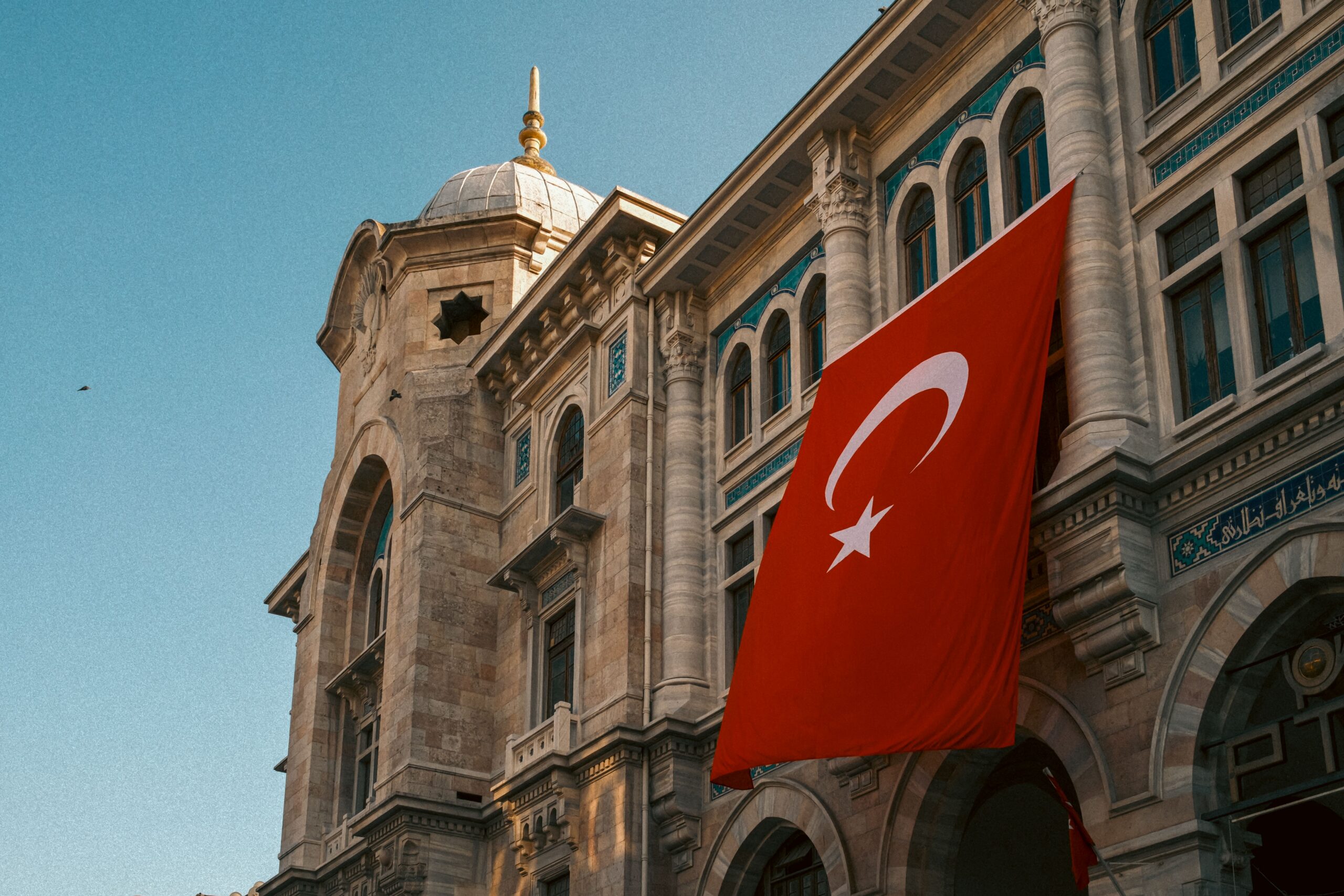
Holding an AGM in Turkey looks simple on paper: meet once a year, approve the accounts, move on. In practice, the timing, quorum rules, and post-meeting filings catch out plenty of well-run groups. Written for legal, tax, and compliance teams, this piece covers what an AGM in Turkey involves, from the statutory deadline to the paperwork that follows. Everything here sits under the Turkish Commercial Code (Türk Ticaret Kanunu, Law No. 6102), the framework that governs how joint stock companies meet and decide.
When must you hold the AGM in Turkey?
The headline rule is short. Companies must hold the AGM within three months of the end of each financial year. Miss it, and you are technically offside, though the position is more relaxed than you might expect.
Here is the quirk. There are currently no set penalties for holding the meeting late, and many Turkish companies schedule around what is practical rather than racing the clock. Even so, treating the deadline as optional is risky, especially once corporate changes hang on the outcome.
Postponement is possible too. Shareholders holding one twentieth of the company can ask to delay the meeting, and the chair can push it back by one month without a separate assembly vote. A further postponement of the accounts discussion can follow in limited cases.
Who can call the meeting, and how is notice given?
Usually the board of directors convenes the AGM, and it keeps that power even if its term has expired. Shareholders can step in as well. Those holding at least one tenth of the capital, or one twentieth in public companies, may formally request a meeting, setting out their reasons in writing.
If the board refuses or stays silent, the matter can go to the commercial court, which may order the meeting and appoint a trustee. Notice itself is formal. The company must announce the meeting at least two weeks beforehand in the Turkish Trade Registry Gazette (Türkiye Ticaret Sicili Gazetesi, the official commercial gazette), and notify shareholders by registered letter.
How can the AGM in Turkey be held?
You have room to choose the format. A physical meeting remains the traditional route, chaired by someone the assembly elects, who need not be a shareholder. The chair runs proceedings, appoints the minute clerk, and where needed a vote collector.
Electronic and virtual participation also works, provided the articles of association allow it. Board level decisions, by contrast, must be recorded in writing to count. In short, an AGM in Turkey can be run in person or online, as long as the company’s own rules back the method chosen.
What about quorum, voting, and proxies?
Quorum is where timing and turnout meet. At least one quarter of the capital must be represented throughout the meeting. If that threshold is not reached at the first attempt, a second meeting can go ahead with no quorum requirement at all.
Voting follows share value. Each shareholder votes in proportion to the nominal value of their shares, and everyone gets at least one vote, though the articles may cap the count. Decisions then pass on a majority of the votes present.
Proxies are allowed, but they come with formality. A representative needs a proper written authority, and the company may put forward both a related representative and an independent, impartial one for shareholders to choose from.
What must the AGM decide?
Some powers belong to the shareholders alone and cannot be handed to the board. At the AGM, the shareholders typically handle:
- Approval of the annual financial statements and the related reports.
- The dividend decision, based on the board’s recommendation.
- Election or re-election of board members, and appointment of auditors.
- Amendments to the articles of association and decisions on reserve funds.
- Major structural moves, such as dissolution or the sale of significant assets.
The person who calls the meeting sets the agenda, and items left off it generally cannot be decided. One practical point on preparation: the financial statements must be available for shareholder review fifteen days before the meeting.
Which companies need an independent audit?
Not every company faces an independent audit. The obligation turns on size, measured by a three part test: total assets, annual net sales, and employee headcount. A company is caught once it exceeds at least two of the three thresholds.
For most standalone companies, the general trigger sits at total assets of TRY 35 million, net sales of TRY 70 million, or 175 employees, again on a two of three basis. Lower thresholds apply to certain listed-type categories. These figures are set by government decision and revised from time to time, so confirm the current bands before you rely on them. Where an audit applies, the company appoints the auditor before the financial year ends.
What happens once the AGM in Turkey wraps up?
The meeting is only half the job. The minutes must go up on the company’s website straight away, and the legal books need notarising by a Turkish notary. Any corporate changes generally take effect on the date recorded in those minutes.
Filing comes next, and the clock is tight. Within fifteen days of the meeting, the company must submit the general assembly resolutions, board minutes, and supporting papers to the trade registry, which then registers and announces them. The certified accountant’s report and the audit report sit outside this filing requirement.
Skipping or delaying these steps rarely triggers a headline fine, but it creates practical problems. Late registration of a director change, for instance, can undermine day to day governance. To check whether a filing has gone through, you can search the relevant commercial register or rely on the registration certificate issued once the process completes.
This is the stage where an AGM in Turkey most often stalls for cross-border groups, and where Klea can help. Through local partners, Klea can support the post-meeting filings, provided the requirements are flagged early enough to line up the right documents.
What’s next?
Managing a AGM requires detailed planning and full legal awareness. For more insights into processes in other jurisdictions, explore our article AGM in Ukraine: Deadlines, Quorum & Filings.
Klea transforms entity management by offering centralised governance, automated compliance, and secure collaboration tools. For this reason, businesses looking for an efficient, scalable solution can take the following actions:
- Request a Demo – See Klea in action for your organisation.
- Start a Trial – Experience first-hand how automation reduces workload and improves efficiency.
- Talk to Our Experts – Get tailored recommendations based on your entity management needs.
Company secretarial software solutions play a crucial role in modern businesses that require structured governance, consistent compliance, and accurate legal entity management. With Klea, organisations can ensure corporate governance remains efficient, transparent, and risk-free.
Legal Disclaimer
The information provided on Klea’s website is made available “as is” for informational purposes only. Klea does not provide legal, tax, or financial advice and is not responsible for any actions taken or not taken based on the content found on this website. In no event shall Klea be liable for any loss or damages arising from reliance on the information contained herein.
For specific legal or compliance support tailored to your business needs, please contact Klea directly. Our team provides personalised guidance and expert solutions. Any reliance on general content without direct consultation does not establish any legal responsibility or liability on Klea’s part.